Understanding Diagram Infographic Vector Design: A Comprehensive Guide
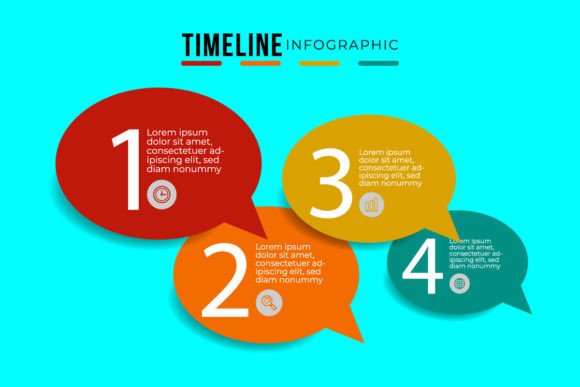
Diagram Infographic Vector Design is a versatile and powerful tool for creating visually engaging and informative graphics. This type of design leverages vector graphics, which are resolution-independent and can be scaled to any size without losing quality. This makes it an ideal choice for both digital and print media, where high-quality, crisp images are essential.
What Makes Diagram Infographic Vector Design Distinct?
Diagram Infographic Vector Design stands out due to its use of vector graphics, which are composed of points, lines, curves, and shapes based on mathematical equations. This means that the graphics remain clear and sharp at any scale, making them perfect for detailed infographics that need to be viewed in various sizes and formats.
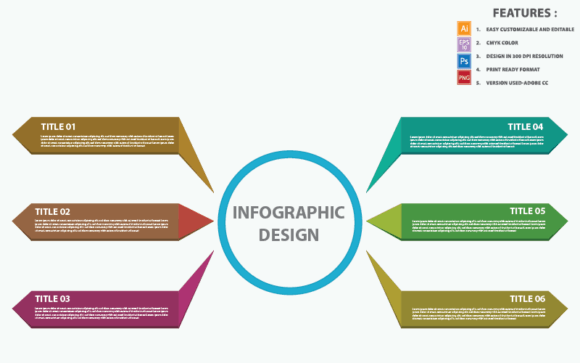
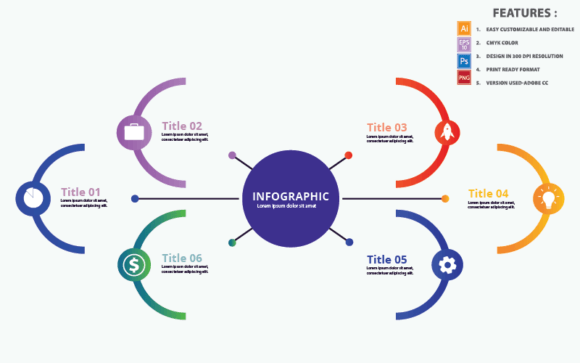
Additionally, these designs are highly customizable. The Easy Customizable and Editable feature allows users to modify colors, text, and other elements with ease, ensuring that the final product aligns perfectly with their vision. The CMYK Color format and 300 DPI Resolution ensure that the designs are print-ready, providing professional-grade output.
Comparing Diagram Infographic Vector Design with Other Options
When comparing Diagram Infographic Vector Design with raster-based infographic tools, the key difference lies in scalability and editability. Raster graphics, such as those created in Photoshop, are made up of pixels and can lose quality when resized. In contrast, vector graphics maintain their clarity and sharpness, making them more suitable for projects that require multiple output sizes.
Another alternative is using pre-made templates or online infographic builders. While these can be quick and easy to use, they often lack the depth and customization options available in vector design. Pre-made templates can also look generic, whereas vector designs allow for a unique and personalized touch.
Strengths and Tradeoffs of Diagram Infographic Vector Design
The primary strength of Diagram Infographic Vector Design is its versatility and high-quality output. The ability to customize every element, from colors to text, ensures that the final product is tailored to the user's specific needs. Additionally, the Print Ready Format and Design in 300 DPI Resolution make it an excellent choice for professional publications and presentations.
However, there are some tradeoffs. Vector design requires a certain level of skill and familiarity with graphic design software like Adobe Illustrator. For those who are not comfortable with these tools, there may be a learning curve. Additionally, while vector graphics are ideal for clean, precise designs, they may not be as suitable for complex, photo-realistic imagery, which is better handled by raster graphics.
Best-Fit Situations and Limitations
Diagram Infographic Vector Design is particularly well-suited for projects that require high-quality, scalable graphics. This includes corporate reports, educational materials, and marketing collateral. The Easy Customizable and Editable feature makes it ideal for situations where the design may need to be updated or modified frequently.
On the other hand, if the project involves highly detailed, photo-realistic images, or if the user is not familiar with vector design tools, another option might be more appropriate. For example, using a raster-based tool like Photoshop or an online infographic builder might be more practical for those who need quick, simple solutions.
Making the Right Choice
When deciding whether Diagram Infographic Vector Design is the right choice, consider the following factors:
- Project Requirements: If the project demands high-quality, scalable graphics, vector design is a strong candidate. Conversely, if the project is more focused on photo-realistic imagery, a raster-based tool might be more suitable.
- User Skill Level: Users who are comfortable with graphic design software will find vector design more accessible. Those who are less experienced may prefer simpler, more user-friendly tools.
- Budget and Time Constraints: Vector design can be time-consuming, especially for those who are still learning. If time is of the essence, a pre-made template or an online builder might be a better option.
Conclusion
Diagram Infographic Vector Design offers a robust and flexible solution for creating high-quality, scalable graphics. Its strengths in customization, print readiness, and versatility make it a top choice for many professional and creative projects. However, it's important to weigh these benefits against the potential learning curve and the specific needs of your project. By carefully considering these factors, you can make an informed decision that best meets your requirements.
If you have any questions or need assistance with customizing your vector infographic, feel free to contact me via my Creative Deviser profile. Your feedback and ratings are also greatly appreciated. Thank you for choosing Diagram Infographic Vector Design for your creative needs.