Mastering Modern Infographic Vector Design: A Comprehensive Guide
Modern Infographic Vector Design is a powerful tool for visual communication, combining the precision of vector graphics with the engaging storytelling of infographics. Whether you're a marketer, educator, or small business owner, these designs can help you present data and information in a clear, visually appealing way. However, to make the most of these tools, it's essential to understand common pitfalls and how to avoid them.
Understanding Modern Infographic Vector Design
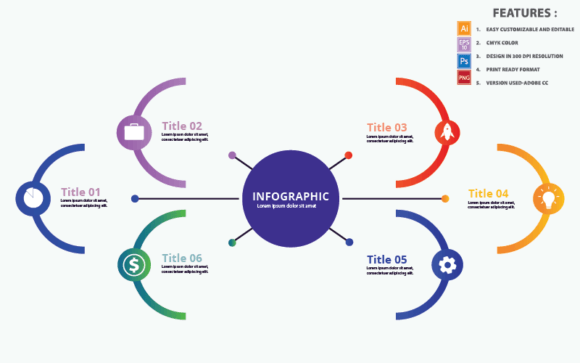
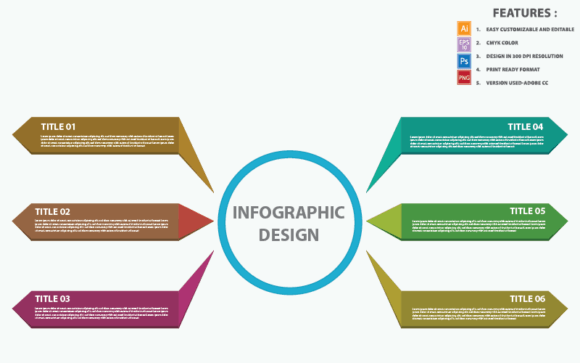
Modern Infographic Vector Design leverages vector graphics, which are scalable without losing quality. This makes them ideal for both digital and print media. The design elements are typically clean, modern, and highly customizable, allowing you to tailor the infographic to your specific needs. These designs often come in formats like AI, EPS, PSD, and PNG, making them versatile for various applications.
Common Mistakes to Avoid
While Modern Infographic Vector Design offers numerous benefits, there are several common mistakes that can hinder the effectiveness of your final product:
- Ignoring Resolution and Color Modes: One of the most frequent oversights is not checking the resolution and color mode. For print, 300 DPI and CMYK color mode are essential. Using RGB or lower resolutions can result in poor print quality.
- Overlooking Editability: Some designers assume all elements are fully editable, but this isn't always the case. Ensure that the design files you choose are easy to customize and that all main elements can be adjusted to fit your needs.
- Neglecting File Formats: Not all file formats are created equal. Make sure the design includes AI, EPS, PSD, and PNG files. This variety ensures compatibility across different platforms and software.
- Skipping the Read Me and Information Files: These documents often contain crucial information about the design, including font usage and customization tips. Ignoring them can lead to unnecessary confusion and errors.
Practical Advice for Better Results
To avoid these mistakes and create high-quality infographics, follow these practical tips:
- Check the Specifications: Before downloading or purchasing, verify that the design is in 300 DPI resolution and CMYK color mode. This ensures that your infographic will look sharp and professional when printed.
- Test Editability: Open the design files in your preferred software (e.g., Adobe Illustrator) and test the editability of the elements. This step can save you time and frustration later on.
- Review Included Files: Ensure that the package includes all necessary file formats (AI, EPS, PSD, and PNG). Having multiple formats provides flexibility and compatibility for different uses.
- Read the Documentation: Take the time to read the Read Me and Information files. These documents often provide valuable insights and instructions that can enhance your design process.
Realistic Examples and Better Approaches
For instance, if you're creating an infographic for a marketing campaign, you might need to adjust the color scheme to match your brand. If the design is not in CMYK, the colors may appear differently when printed, leading to a mismatched and unprofessional look. By ensuring the design is in CMYK and 300 DPI, you can maintain consistency and quality.
Another example is when you need to add specific data points or text. If the design elements are not easily editable, you might struggle to make the necessary changes. By choosing a design that is fully customizable, you can seamlessly integrate your content and achieve a polished, cohesive look.
Final Checks Before Making a Decision
Before finalizing your choice, consider the following:
- Compatibility: Ensure the design is compatible with the software you use, such as Adobe CC.
- Font Usage: Check if the fonts used (e.g., Myriad Pro) are included or if you need to purchase them separately. This can impact the overall cost and appearance of your infographic.
- Support and Help: Look for designs that offer support. If you encounter any issues, having access to the designer or a support team can be invaluable.
By being mindful of these considerations, you can make informed decisions and create effective, high-quality infographics that meet your needs and exceed your expectations.
If you have any questions or need further assistance, feel free to contact me via my Creative Deviser profile. Your feedback is also greatly appreciated, so please take a moment to rate this item. Thank you!