Visualizing Success: The Power of Stair Infographics in Modern Communication
Understanding the Stair Infographic
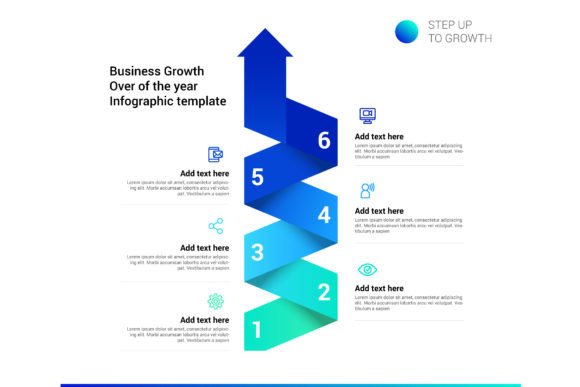
The Stair Infographic is a unique and visually compelling way to present information, data, or processes. It uses a staircase design to illustrate progression, steps, or stages, making complex information more digestible and engaging. This format is particularly effective for showing hierarchical data, timelines, or step-by-step procedures.
Why Stair Infographics Are Relevant Today
In today's fast-paced digital world, where attention spans are short and information overload is common, clear and concise visual communication is more important than ever. Stair infographics stand out because they:
- Simplify complex data: They break down intricate information into manageable, easy-to-understand segments.
- Enhance engagement: The visual appeal of stair infographics captures and retains the viewer's attention more effectively than plain text.
- Support storytelling: They provide a natural flow that helps in narrating a story or explaining a process, making it easier for the audience to follow and remember.
Evolving Trends and Changing Needs
As technology advances and user expectations shift, the demand for high-quality, visually appealing content has increased. Stair infographics have evolved to meet these needs by becoming more interactive, customizable, and accessible. For instance, the inclusion of PNG High Resolution Transparent without text and icons and JPG High Resolution files allows for seamless integration across various platforms and devices.
Practical Implications for Users and Creators
For professionals, creators, and businesses, the use of stair infographics can significantly enhance their communication strategies. Here’s how:
- Marketing and Branding: Stair infographics can be used to showcase product features, company milestones, or customer journeys, thereby strengthening brand messaging and marketing efforts.
- Educational Content: Educators and trainers can use these infographics to present lesson plans, course outlines, or learning paths in a structured and engaging manner.
- Project Management: Project managers can benefit from using stair infographics to map out project timelines, phases, and key deliverables, providing a clear and organized overview.
Features and Flexibility
The Stair Infographic package includes several key features that make it a versatile and user-friendly tool:
- 100% Resizable: The infographics can be scaled to any size without losing quality, making them ideal for both digital and print media.
- Text is Editable: Users can easily modify the text to fit their specific needs, ensuring that the infographic remains relevant and accurate.
- Color Customization: The color scheme can be easily adjusted to match branding or personal preferences, enhancing the overall aesthetic appeal.
- Free Fonts Used: The use of free fonts ensures that there are no additional costs or licensing issues, making the infographics more accessible to a wider audience.
Real-World Examples and Recommendations
Consider a business owner who wants to present a new product launch. A stair infographic can be used to outline the product development journey, from the initial idea to the final release. This not only provides a clear and engaging narrative but also highlights the company's dedication and innovation.
For educators, a stair infographic can be a powerful tool to help students understand complex topics. For example, a history teacher might use a stair infographic to show the chronological progression of a significant event, making the lesson more interactive and memorable.
Conclusion
The Stair Infographic is a valuable tool in the modern communication toolkit. Its ability to simplify, engage, and tell a story makes it an essential asset for professionals, educators, and businesses alike. By leveraging the features and flexibility of this format, users can create impactful and memorable content that resonates with their audience.